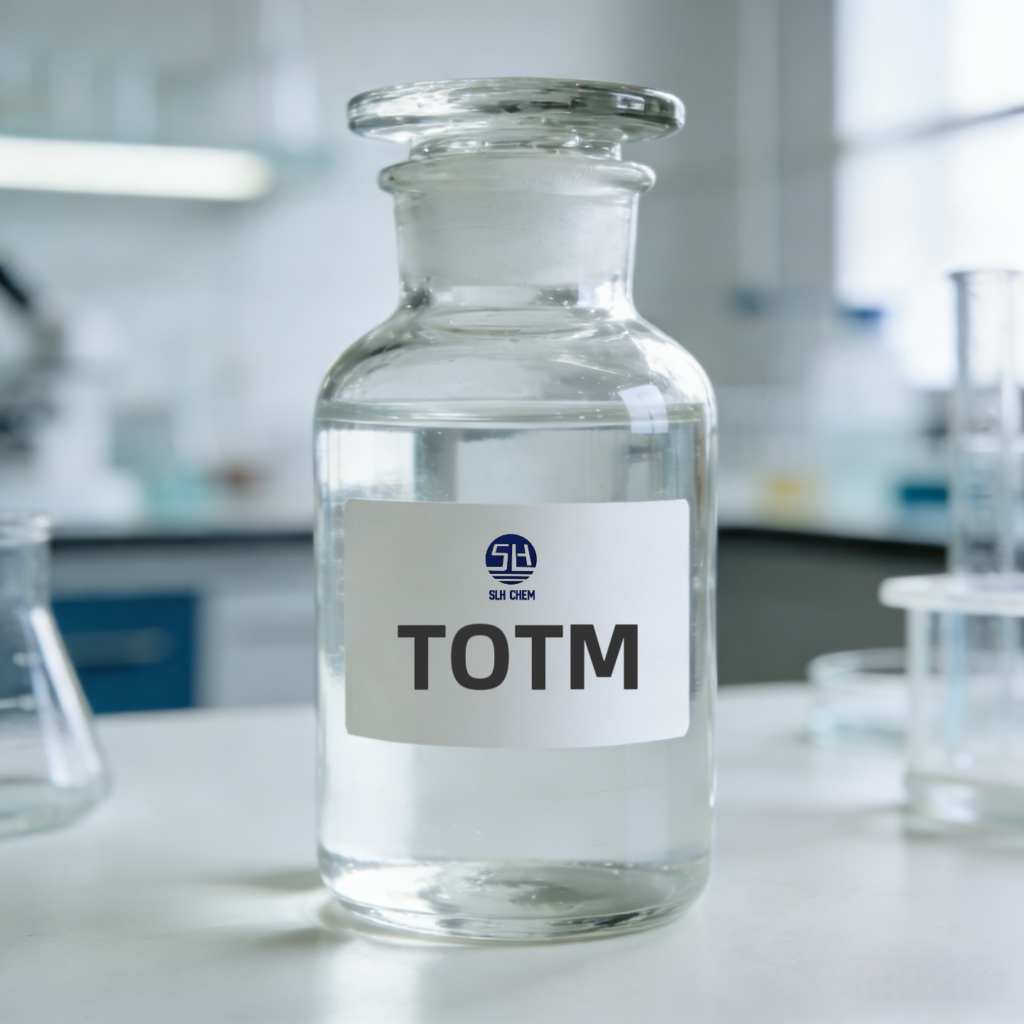
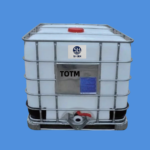
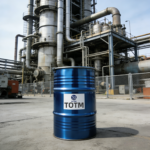
TOTM
Trioctyl Trimellitate (also known as Tri-(2-ethylhexyl) Trimellitate), a high-performance aromatic ester plasticizer widely used in heat-resistant and durable polymer applications, especially for PVC products requiring long-term stability at elevated temperatures.
产品详情
- Basic Chemical Properties
Parameter Details
Full Chemical Name Tri-(2-ethylhexyl) trimellitate
CAS Number 3319-31-1
Chemical Formula
C33H54O6
Molecular Weight ~546.8 g/molPhysical Appearance Colorless to pale yellow viscous liquidDensity (20°C) ~0.98 g/cm³Viscosity (25°C) ~300–400 mPa·sBoiling Point >400°C (decomposes above this temperature)Solubility Insoluble in water; miscible with organic solvents (esters, hydrocarbons, ketones); highly compatible with PVC
- Core Functions & Key Characteristics
TOTM is valued for its exceptional heat resistance and low volatility—two traits that set it apart from most common plasticizers:
High-temperature stability: Resists thermal degradation even at 100–120°C for prolonged periods, making it ideal for products used in high-heat environments.
Low migration: Its large molecular structure minimizes leaching from polymer matrices, ensuring long-term product integrity and safety.
Good electrical insulation: Meets strict standards for wire and cable applications, with excellent dielectric properties.
Non-phthalate structure: Unlike DINP/DBP, it does not contain phthalate groups, reducing regulatory scrutiny for sensitive uses. - Main Applications
TOTM is a premium plasticizer targeted at high-performance PVC and polymer products:
Wire and cable insulation: For automotive wires, industrial cables, and electrical components that operate at high temperatures (complies with standards like UL 1015).
Automotive parts: Under-hood components, gaskets, and seals that withstand heat and chemical exposure.
Heat-resistant PVC films/sheets: Used in industrial conveyor belts, packaging for hot-fill products, and construction membranes.
Medical devices: Some grades are FDA-compliant for non-implantable medical equipment requiring heat sterilization.
Synthetic rubbers: Improves flexibility and heat resistance of nitrile rubber (NBR) and chloroprene rubber (CR).