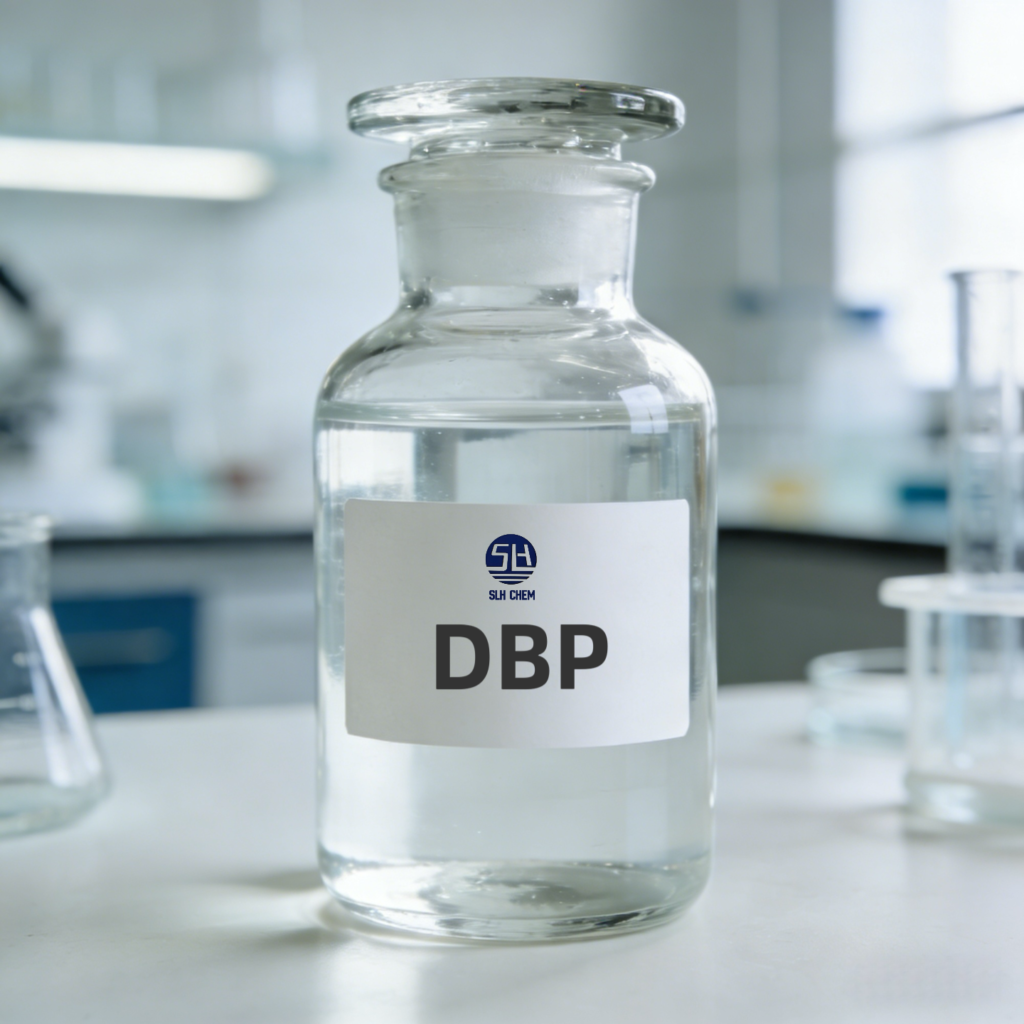
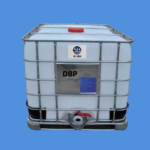
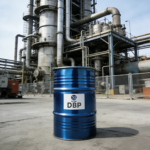
DBP
Dibutyl Phthalate, a classic short-chain phthalate plasticizer with high plasticizing efficiency, historically used in flexible polymer processing but now subject to strict regulatory restrictions globally due to toxicity concerns.
产品详情
1. Basic Chemical Properties
- Full Name: Dibutyl Phthalate
- CAS Number: 84-74-2
- Chemical Formula: C16H22O4
- Molecular Weight: 278.34 g/mol
- Physical Appearance: Colorless, clear oily liquid with a faint aromatic odor; low viscosity compared to long-chain phthalates
- Key Metrics: Density ~1.045 g/cm³ (20°C); boiling point 340°C; flash point ~171°C; miscible with most organic solvents, insoluble in water
- Core Characteristic: High plasticizing efficiency—small dosages can significantly improve polymer flexibility
2. Core Functions & Historical Applications
DBP is a primary plasticizer with strong compatibility with PVC, cellulose resins, and synthetic rubbers. Its historical uses included:
- Flexible PVC products: Vinyl gloves, artificial leather, adhesives, printing inks, and PVC films.
- Cellulose-based materials: Plasticizer for nitrocellulose coatings and cellulose acetate, improving film-forming and adhesion properties.
- Other polymers: Additive for synthetic rubbers (e.g., nitrile rubber) to enhance elasticity and processability.
3. Regulatory Restrictions & Safety Concerns
DBP is classified as a toxic phthalate due to its high migration rate and potential endocrine-disrupting effects, leading to strict global regulations:
- EU REACH: Restricted in toys and childcare articles (limit of 0.1% by weight for each phthalate in plastic materials).
- U.S. CPSIA: Banned in children’s products for children under 12 years old.
- Global Standards: Prohibited in food-contact materials, medical devices, and cosmetics in most regions.
Today, DBP is largely replaced by safer alternatives such as DOTP, DINP, or ESO in mainstream applications.
4. Advantages & Limitations
| Advantages | Limitations |
|---|---|
| High plasticizing efficiency (lower dosage than long-chain phthalates) | High migration rate (easily leaches from polymer products) |
| Good compatibility with a wide range of polymers | Potential endocrine-disrupting effects; toxic to aquatic organisms |
| Low cost and mature production process | Strict regulatory restrictions in most consumer products |
| Improves the gloss and adhesion of coatings/inks | Poor thermal stability (volatile at high temperatures) |
5. Comparison with Common Plasticizers
| Property | DBP | DINP | DOTP | ESO |
|---|---|---|---|---|
| Category | Short-chain phthalate | Long-chain phthalate | Non-phthalate | Bio-based non-phthalate |
| Plasticizing Efficiency | Excellent | Good | Moderate | Moderate |
| Migration Resistance | Poor | Good | Excellent | Good |
| Regulatory Status | Strictly restricted | Restricted in sensitive uses | Unrestricted | Unrestricted |
| Main Use (Current) | Industrial coatings (limited) | General flexible PVC | Food-contact/medi |