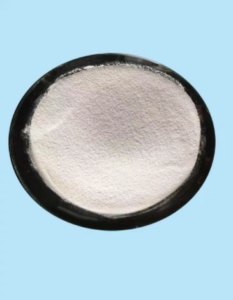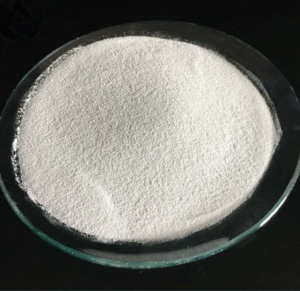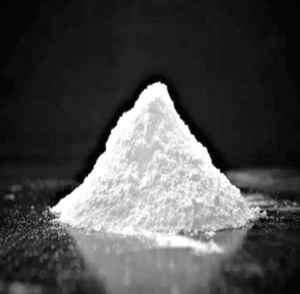
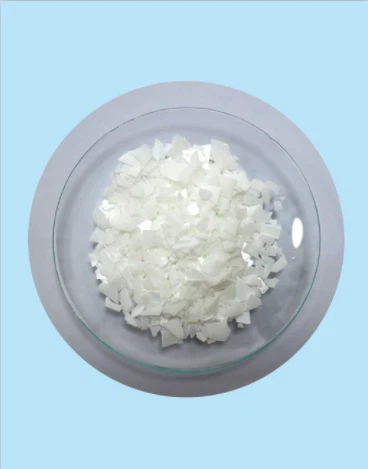
Polyethylene Wax
Polyethylene Wax
CASNO:9002-88-4
It is widely used because of its excellent cold resistance,heat resistance, chemical resistance and wear resistance. In normal production, this wax can be added directly to polyolefin processing as an additive, which increases gloss and processing properties of the product.As a lubricant,it has stable chemical properties and good electrical properties.Polyethylene wax is soluble in poly- ethylene, polypropylene,polyvinyl acetate, ethylene-propylene rubber and butyl rubber. It can improve the fluidity of polyethylene,polypropylene, ABS and the demoulding of polymethyl methacrylate and polycarbonate.Polyeth- ylene waxes provide stronger internal lubrication for PVCthan other external lubricants.
Packing:25kg bag
产品详情
Polyethylene wax, also known as PE wax or high-molecular wax, is a kind of synthetic wax. It is a low-molecular-weight polyethylene with excellent physical and chemical properties, and is widely used in many industrial fields. The following is a detailed introduction:
- Definition and molecular structure: Polyethylene wax is a polymer with ethylene as the monomer, and its chemical formula is (C2H4)n. It has a linear or slightly branched molecular structure, and its molecular weight is usually in the range of 1500-5000.
- Production process:
- Polymerization wax: It is produced by using ethylene as raw material through a polymerization process. The products of well-known foreign companies such as Honeywell in the United States and BASF in Germany have high quality.
- Pyrolysis wax: Usually, low-density polyethylene (LDPE) is used as raw material. Under high temperature and high pressure conditions, the long molecular chains of polyethylene are cut into relatively short molecular chains. There are two common production processes: screw pyrolysis and reactor pyrolysis.
- Oligomer wax: It is a by-product of polyethylene production. It has a narrow molecular weight distribution and a large market share because of its low price.
- Physical and chemical properties:
- Melting point: The melting point is usually in the range of 100-130°C, which endows it with good heat resistance and can maintain stable performance in a certain high-temperature environment.
- Hardness and liquidity: The lower the molecular weight, the better the liquidity; the higher the molecular weight, the greater the hardness. It has excellent lubricity and can reduce the friction between materials.
- Chemical stability: It has good resistance to acids, alkalis, salts and organic solvents, and also has excellent anti-ultraviolet ability.
- Application fields:
- Plastic processing: It can be used as a release agent, anti-blocking agent and plasticizer in the production of plastic products to improve the processing performance of plastics, make the plastic surface smooth, and reduce the occurrence of defects such as surface roughness and internal stress.
- Lubricating materials: As an important additive for lubricating oils, it can significantly improve the anti-wear, anti-oxidation and low-temperature fluidity of lubricating oils, and is widely used in automotive engine oils, gear oils and hydraulic oils.
- Coatings and inks: It can be used as an additive to improve the surface smoothness, adhesion and wear resistance of coatings, and also help to improve the dispersion of pigments in inks, making the color more uniform and bright.
- Cosmetics: In cosmetics, it is mainly used as a matrix material, film-forming agent and humectant. For example, adding it to skin care products can enhance the consistency and smoothness of the product, and form a uniform protective film on the skin.