Calcium Zinc Stabilizer
Calcium Zinc Stabilizer
CASNO:1592-23-0
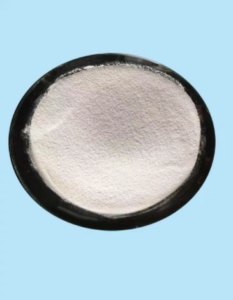
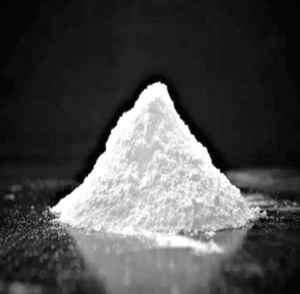
It is white powder and composed of a suitable amount of hydrotalcite, organic calcium, organic zinc, with internal and external lubricants, high efficiency synergist and other components. It is non-toxic and environmentally friendly.It used in PVC thermostabilizer and light stabilizer auxiliary agents,extrusion of window profiles, non-toxic products with absence of cadmium and lead.
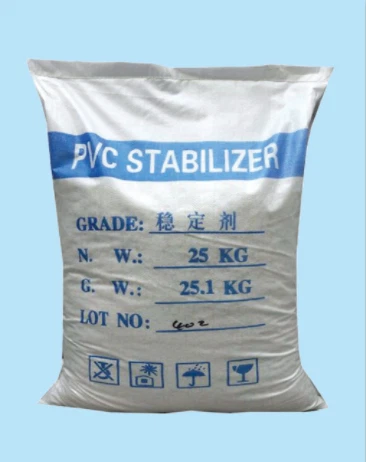
Packing: 25kg bag
产品详情
Calcium Zinc Stabilizer is a type of non-toxic heat stabilizer widely used in the processing of polyvinyl chloride (PVC). It replaces traditional toxic stabilizers (e.g., lead salts, cadmium compounds) and is favored for its environmental friendliness and safety.
Core Components
It is typically a composite system consisting of:
- Main stabilizers: Calcium carboxylates and zinc carboxylates (e.g., calcium stearate, zinc stearate), which inhibit PVC’s thermal degradation by neutralizing hydrogen chloride (HCl) generated during processing.
- Auxiliary stabilizers: Epoxidized soybean oil (ESBO), polyols, phosphites, etc. These enhance stabilization efficiency, improve compatibility with PVC, and mitigate the “zinc burning” phenomenon (a defect caused by excessive zinc ions).
- Additives: Lubricants, antioxidants, and dispersants, which optimize processing performance and product properties.
Key Functions
- Thermal stabilization: Prevents PVC from decomposing, discoloring, or becoming brittle at high processing temperatures (e.g., extrusion, injection molding).
- Non-toxicity: Meets food contact, medical device, and toy safety standards (e.g., FDA, REACH, GB 4806).
- Processing compatibility: Improves PVC melt flowability and mold release, reducing equipment wear.
Main Applications
Due to its safety, it is mainly used in non-toxic PVC products:
- Food packaging materials (e.g., PVC films, containers)
- Medical devices (e.g., infusion tubes, catheters)
- Children’s toys
- Construction materials (e.g., PVC pipes, profiles for indoor use)
- Wire and cable insulation (environmentally friendly grades)
Comparison with Lead Stabilizers
| Aspect | Calcium Zinc Stabilizer | Lead Salt Stabilizer |
| Toxicity | Non-toxic | Toxic (restricted in many regions) |
| Environmental compliance | Meets green standards | Banned in food/medical applications |
| Stabilization efficiency | Moderate (needs auxiliary agents) | High (standalone use available) |
| Cost | Slightly higher | Lower |