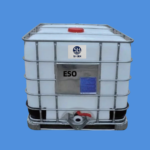
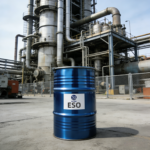
ESO
ESO (Epoxidized Soybean Oil), a bio-based, non-phthalate plasticizer and stabilizer derived from renewable soybean oil, widely used in PVC and other polymers for its dual functionality and safety profile.
产品详情
1. Basic Chemical Properties
- Full Name: Epoxidized Soybean Oil (ESO/ESBO)
- CAS Number: 8013-07-8
- Chemical Formula: C₅₇H₁₀₄O₁₁ (average, as a triglyceride mixture)
- Molecular Weight: ~1000 g/mol
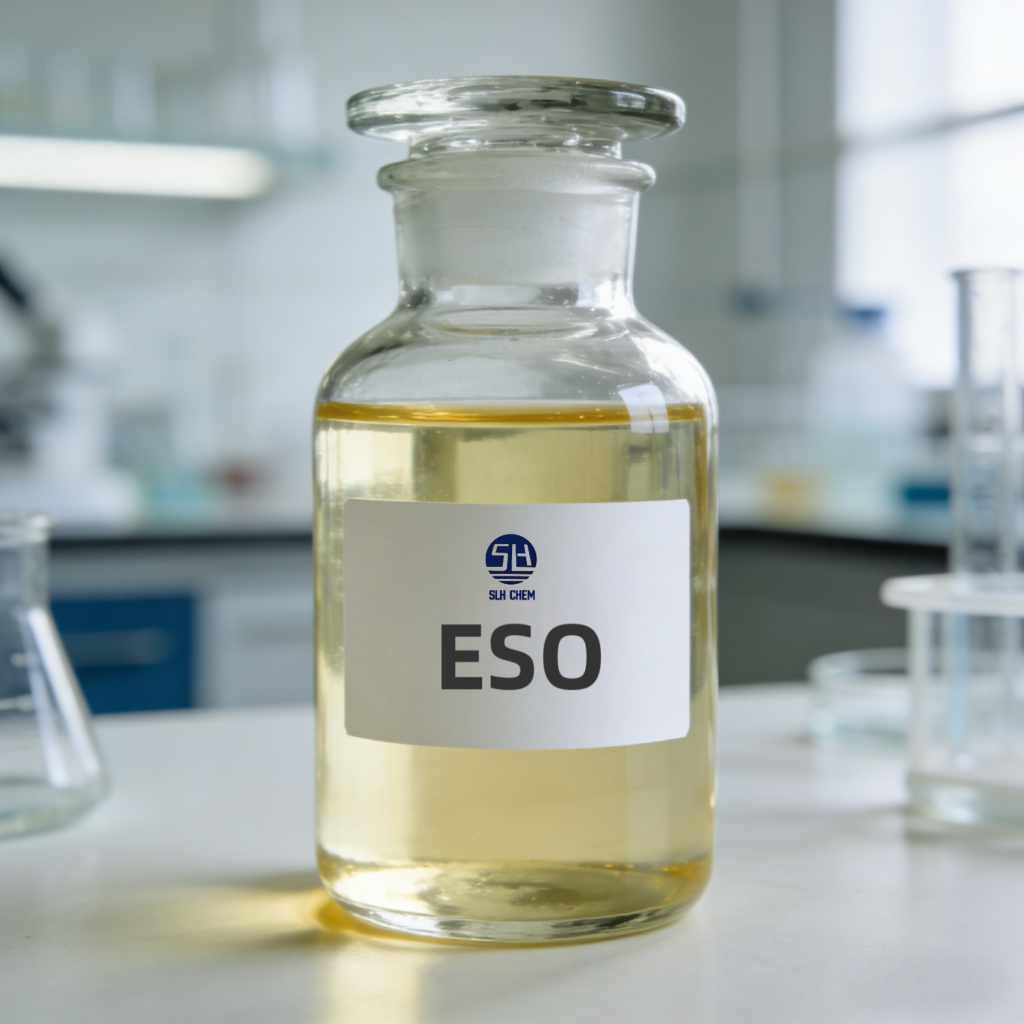
- Physical Appearance: Pale yellow, viscous oily liquid at room temperature; mild fatty odor
- Key Metrics: Density 0.99–1.01 g/cm³ (20°C); viscosity 350–450 mPa·s (25°C); epoxy value ≥6.0% (critical for stability)
- Solubility: Insoluble in water; miscible with most organic solvents (hydrocarbons, ketones, esters); slightly soluble in ethanol
- Stability: Excellent thermal/light stability; low volatility; good migration resistance
2. Core Functions & Mechanism
ESO acts as both a plasticizer and stabilizer in PVC, with unique advantages:
- Plasticization: Improves flexibility, processability, and compatibility with PVC resins, similar to DOTP/DOA but with bio-based credentials.
- Stabilization: Epoxide groups scavenge HCl released during PVC thermal degradation, preventing chain scission and extending product life.
- Acid Scavenging: Neutralizes acidic byproducts in polymer processing, enhancing thermal/light stability.
3. Main Applications
- PVC Products: Food-contact packaging (films, gaskets), medical devices, toys, wires/cables, flooring, and refrigerator seals (compliant with EU REACH, FDA, and global food-contact standards).
- Non-PVC Uses: Reactive diluent in epoxy coatings/adhesives, pigment dispersant, acid scavenger in rubber, and additive in inks/coatings for improved flexibility and stability.
- Sustainable Formulations: Replaces phthalates (e.g., DINP, DOP) in eco-friendly polymer blends.
4. Advantages vs. Limitations
| Advantages | Limitations |
|---|---|
| Bio-based/renewable (soybean oil feedstock) | Lower plasticizing efficiency vs. phthalates (higher dosage for same flexibility) |
| Non-toxic; compliant with food/medical standards | Higher viscosity may require processing adjustments |
| Dual plasticizer–stabilizer role (cost-saving) | Limited compatibility with some polar polymers |
| Low volatility/migration (product safety) | Lower heat resistance vs. aromatic non-phthalates (e.g., DOTP) |