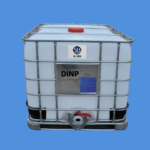
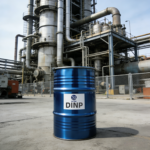
DINP
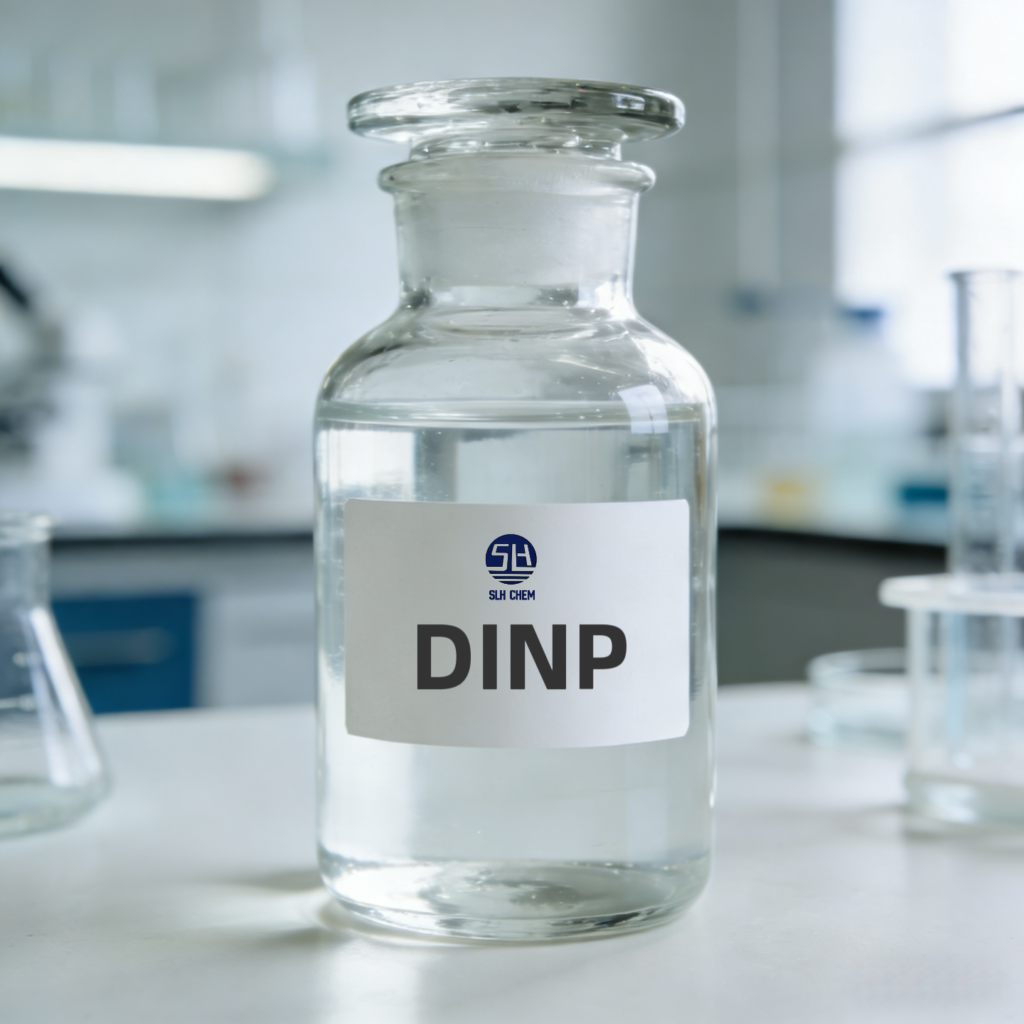
Diisononyl Phthalate(DINP), a widely used phthalate plasticizer in the polymer industry, primarily for polyvinyl chloride (PVC) processing. It is a branched-chain phthalate ester, characterized by better performance stability than some linear phthalate plasticizers.
产品详情
1. Basic Chemical Properties
- Chemical Formula: C26H42O4
- Molecular Structure: Ester formed by the reaction of phthalic anhydride and isononyl alcohol (a branched 9-carbon alcohol).
- Physical Appearance: Colorless to pale yellow viscous oily liquid at room temperature; insoluble in water, miscible with most organic solvents (e.g., esters, ketones, hydrocarbons) and compatible with PVC resins.
- Key Characteristics: Low volatility, good cold resistance, excellent compatibility with PVC, and high plasticizing efficiency.
2. Main Applications
DINP is a core plasticizer for PVC and is used in a variety of products:
- Flexible PVC Products: Wire and cable insulation, PVC films, artificial leather, floor mats, hoses, and sealing strips. Its low volatility makes it suitable for products that require long-term use at moderate temperatures.
- Semi-rigid PVC Products: Plastic profiles, pipe fittings, and daily necessities, where it balances product hardness and flexibility.
- Non-PVC Applications: Can be used as a plasticizer for some synthetic rubbers (e.g., nitrile rubber) to improve processability and elasticity.
3. Regulatory and Safety Considerations
- DINP is a phthalate plasticizer, and its safety has been the subject of regulatory attention globally. Compared with short-chain phthalates (e.g., DEHP, DBP), it has lower migration rates and relatively lower toxicity risks.
- It complies with many regional standards for general-purpose PVC products, but restrictions apply in products for children’s toys and food contact materials in the EU (REACH regulation) and other regions. For these sensitive applications, phthalate-free alternatives (e.g., DOTP, DOA) are preferred.
4. Differences from DOTP
| Property | DINP | DOTP |
|---|---|---|
| Chemical Category | Phthalate plasticizer | Phthalate-free plasticizer |
| Toxicity Profile | Restricted in sensitive uses | Compliant with food/toy standards |
| Heat Resistance | Moderate | High (better for high-temperature scenarios) |
| Cold Resistance | Excellent | Good |